Maximizing Logistics Visibility and Efficiency with TMS
Digitalization through TMS significantly improved transportation quality and cost control

Customer:Multiple industries, including automotive, FMCG, apparel, electronics, and beauty products
Challenge (Before)
Across multiple industries, several common challenges had emerged in transportation operations. Without a reliable way to monitor cargo status during delivery, responses to delays or other disruptions were often reactive rather than proactive. Transportation costs were also difficult to track and manage, resulting in unpredictable cost increases.
In addition, many operational processes—from vehicle dispatch and shipment scheduling to billing and compliance with India-specific regulations such as e-way bills—were handled manually or through paper-based procedures. This created frequent input errors and operational inefficiencies. Service quality also varied among transportation providers, and measures to address risks such as cargo damage, theft, or loss were insufficient. Ensuring consistent and reliable transportation quality had therefore become a key challenge.
Solutions
NX Solution
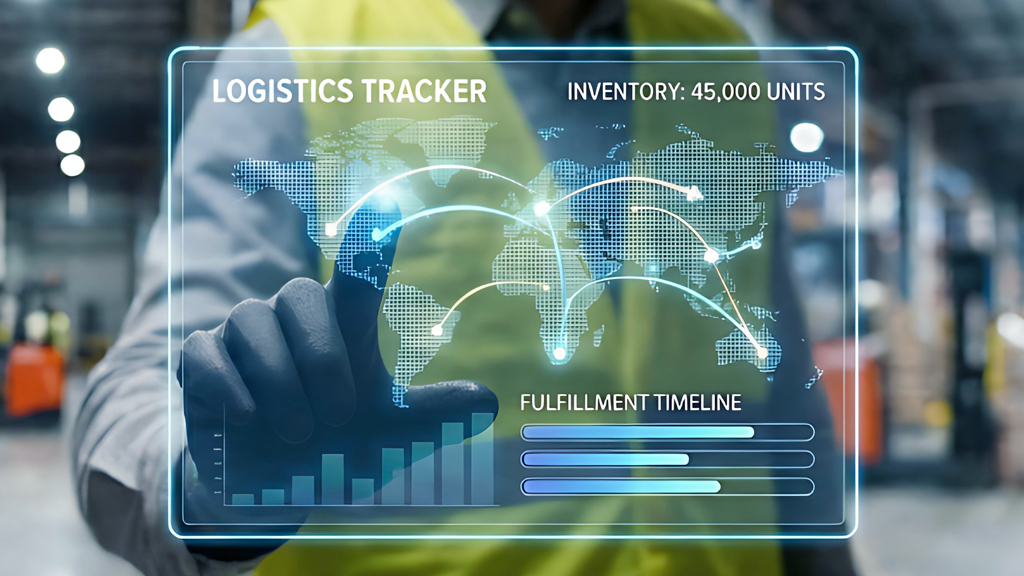
- A Transportation Management System (TMS) was implemented to provide real-time visibility into shipment status. NX operates as a control tower, optimizing routes and managing key milestones throughout the transportation process.
- By combining automated load planning with transportation rate management within the TMS, data-driven analysis supports continuous cost control.
- Transportation operations—from dispatch instructions to electronic proof of delivery (ePOD), billing, and document management—were digitized through the TMS platform.
- Carrier scorecards and KPI management enable ongoing evaluation of transportation partners’ performance. Vehicle health checks, geofencing, and route deviation alerts help enhance cargo security.
- Integration with e-way bill systems and document validation functions automate compliance with India’s transportation regulations. Alert functions also enable automatic detection of delays and vehicle-related issues.
Benefits
Benefits (Results)
TMS functions as a control tower, track delays and reduce SLA violations. Automated load planning and transportation rate management helped minimize empty runs and lower overall transportation costs. Digitalization of transportation operations improved cycle times and reduced errors caused by manual processes, while enhanced carrier management stabilized transportation quality. Automation of regulatory compliance reduced compliance risks, and anomaly detection alerts improved response times to operational exceptions. The TMS platform now serves as the foundation supporting transportation operations for customers across multiple industries, including automotive, FMCG, and apparel.