Comprehensive Logistics Support as a Partner in New Plant Start-Up
Supporting Plant Launch from Logistics Planning to Transportation and Customs Procedures

Customer:Automotive Parts Manufacturer
Challenge (Before)
The customer establishing a new manufacturing plant for automotive components, needed to develop a logistics framework that defined local logistics flows. This includes restrictions, transportation constraints and risks, and customs regulations. To meet the scheduled go-live date, it was critical to design and implement multiple logistics functions simultaneously—from transporting up-stream production equipment to managing inbound logistics for raw materials and components and managing inventory within the plant.
Solutions
NX Solution
- As the customer’s lead logistics provider, we delivered integrated support ranging from up-stream equipment transportation project and route design for raw materials and components to on-site consultation for internal logistics flow and layout design within the factory. This included external buffer storage point planning.
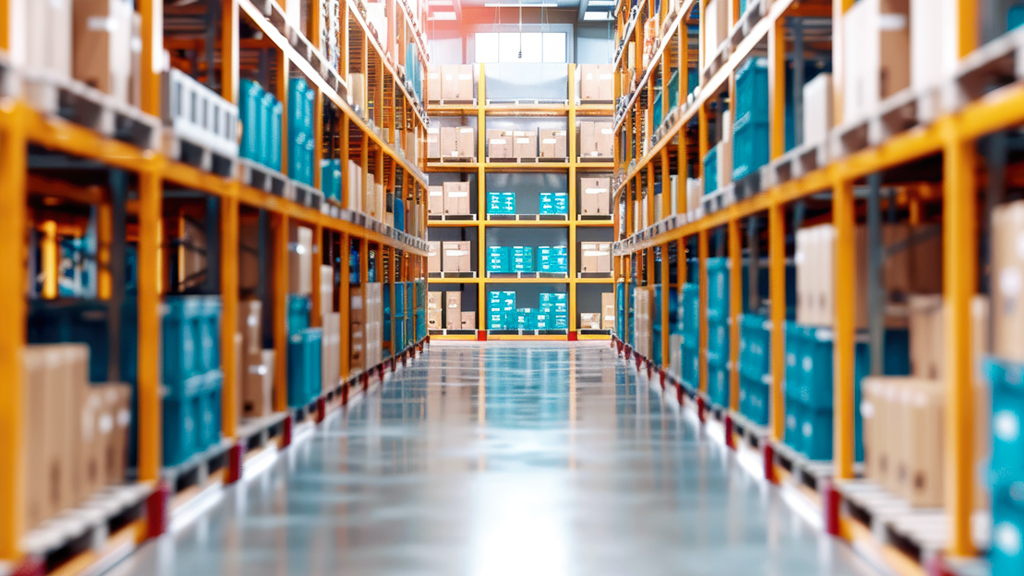
- During the plant facility design phase, we proposed logistics-oriented solutions. Considering the limited storage space inside the plant, we recommended coordinated dual inventory management with external buffer warehouse function.
- In consultation with customs authorities, we implemented a special customs framework that allowed equipment shipments to be declared collectively, significantly simplifying customs procedures.
- On-site NX staff provided close supervision of the project - cargo transportation in real time, ensuring immediate operational response when required.
- Our Project Manager worked closely with various stakeholders in the customer organization to ensure alignment and avoid miscommunications throughout the project lifecycle. This resulted in minimizing the customer’s workload.
Benefits
Benefits (Results)
By collaborating across the customer’s entire logistics scope during the establishment of the new plant, NX Canada successfully developed the logistics framework in time for the scheduled launch.
For equipment transportation, multiple ports were utilized to mitigate risks while achieving optimal transportation costs.
In addition, internal logistics flows were optimized, and storage capacity was maximized within the plant, supporting the customer despite their lack of in-house logistic resources. Acting as a single point of contact for all logistics functions further reduced coordination efforts and lowered operational costs for the customer.