When to use it? How to use it? Air cargo transport as an option.

When to use it? How to use it? Air cargo transport as an option.

Helpful Columns

Speed and reliability are a given.
We also offer value-added services that enhance corporate value!

There are four main types of cargo transportation: trucks, rail, ships, and aircraft. Many people may wonder which method is appropriate for shipping what.
This article provides a clear explanation of the advantages of air cargo transport, how it compares to other modes of transport, how to choose the right option, and important points to consider.

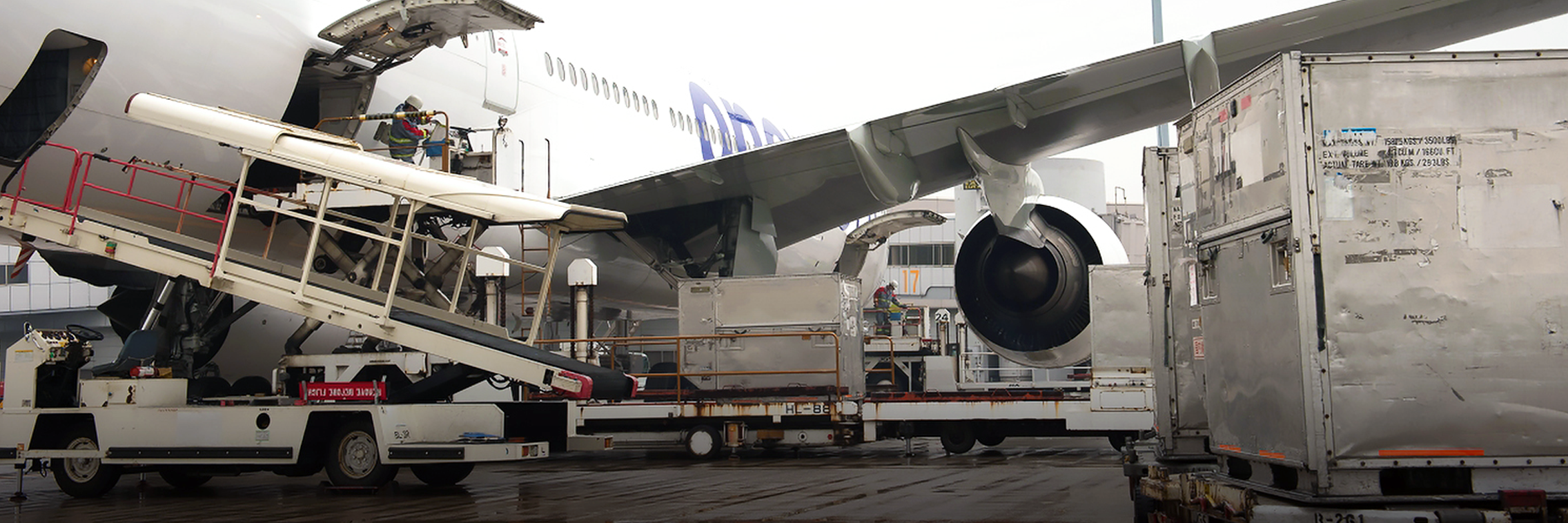
Air cargo transport is "fast and reliable".

The main advantages of air cargo are its speed and reliability.
For example, transporting goods between Sapporo and Tokyo by truck takes about 17 hours, but by air, it's possible to transport them between Chitose Airport and Haneda Airport in about 2 hours.

Therefore, air freight can handle business documents that require speed, cargo unsuitable for long-distance transport, and cargo requiring short delivery times. This includes perishable foods such as meat, seafood, fruits, and vegetables; urgently needed medical equipment, pharmaceuticals, and parts; and personal computers and smartphones. Air freight is frequently used for the transportation of these items.

Other goods frequently transported by air cargo include electronic components and precision equipment. This is because extreme humidity and temperature are major enemies of these goods. The cargo compartments of ships and aircraft are generally air-conditioned to maintain a temperature of approximately 2 to 27 degrees Celsius. Another advantage is that air transport involves less movement compared to sea transport, thus reducing the risk of accidents and damage.

High level of business confidence

On the other hand, this "speed" also brings benefits beyond quality preservation. For example, seasonal or trendy goods need to be distributed to the market as quickly as possible. If the opportunity to sell is over by the time the goods arrive by sea freight, the business cannot survive.

Furthermore, air cargo is popular for transporting precious metals and works of art, which are at high risk of theft, and it can be said to be an attractive means of transportation in terms of business security.

Key points to consider when choosing air cargo transport.

While air freight offers great convenience, it inevitably comes at a higher cost compared to other modes of transport. Its speed is appealing, but relying on air freight for everything will quickly become prohibitively expensive. Therefore, let's look at some guidelines for deciding whether or not to use air freight.

First, consider whether the item is urgent or not.
And then there's the volumetric weight (size) and actual weight (weight) of the cargo.

Aircraft are not as large as container ships, and even cargo planes have a maximum cargo capacity of only about 130 tons (compared to over 30,000 tons for container ships). Cargo space is limited, and the fuel costs required for movement are higher than other modes of transport. The cost per unit of space also increases proportionally. Therefore, aircraft are not very suitable for large-volume shipments or for large or long cargo.

On the other hand, small items such as precious metals and important documents do not take up much space and their unit cost can be kept down. The same applies to pharmaceuticals and electronic components.

If you are transporting expensive, delicate, or important items...

In short, air cargo is best suited for items that are "expensive," "highly important," "in small quantities," "not too large (heavy)," and "urgent." Of course, it's not necessary to meet all of these conditions, but if several of them apply, it should be well worth using air freight.

First, try to objectively analyze what you are about to transport. Does the item have enough value to justify paying a higher cost than other methods of transporting it quickly? If the business benefits, including from a medium- to long-term perspective, outweigh the costs, then by all means, consider using this method.

Items that cannot be sent by air cargo

However, it's important to note that not everything can be transported by air. Generally, dangerous goods are prohibited, and it might be helpful to think of it this way: "If you can't bring it on an aircraft as a passenger, you can't send it as cargo either."

Specifically, the following are some examples:

 
classificationRepresentative updates
Explosives
Explosives

Fireworks, crackers, ammunition

Gunpowder, explosives, flares, fuses, detonators

flammable liquid
flammable liquid

Paints, lighters, cosmetics and perfumes

Lighter fluid, kerosene, adhesives, petroleum products, gasoline,
Benzine, lacquer, toluene, varnish paint,
Printing ink, nitroglycerin,
Alcoholic beverages (those with an alcohol content of 70% or higher)

High-pressure gas
High-pressure gas

Lighter refill gas, diving cylinders,
Gas and spray cans for portable gas stoves

Camping gas, fire extinguishers, butane, ethylene,
Oil gas, air cylinders, hairspray,
Ammonia hydrogen, liquefied petroleum gas, cigarette lighters,
Lighter refill fuel

oxidizing substances

Small oxygen generator, peroxide/bleach

Chloric acid, chromic acid, chlorates, potassium peroxide,
Sodium peroxide, magnesium nitrate

flammable material
flammable material

Matches, charcoal

Matches (small ones)

corrosive substances

Liquid batteries, mercury

Mercury, sulfuric acid, hydrochloric acid, aqua regia, nitric acid, storage batteries, alkalis,
Caustic soda, hydrogen fluoride,
Battery (containing electrolyte)

poisonous substances

Insecticides, pesticides

Dyes, arsenic, disinfectants, herbicides, tear gas canisters, insecticides and fungicides,
Mercury compounds, bacteria, viruses, parathion,
Tear gas canisters, tetraethyl lead, chloroform

Radioactive materials etc.

nuclear fuel material

Nuclear source materials, radioactive isotopes,
Substances contained in pharmaceuticals or medical devices as defined in the Pharmaceutical Affairs Law

Other
hazardous substances
Other hazardous substances

magnet

Life-saving equipment, internal combustion engines, magnetic equipment, dry ice,
Lithium battery

If you mistakenly try to send something that cannot be transported by air, the shipment will be switched to land transport or another method midway through, resulting in unnecessary delays.

On the other hand, computers and game consoles containing lithium batteries (classified as hazardous materials) can sometimes be transported if their weight and packaging are appropriate. If you have any concerns, please contact Nippon Express.

Please choose the service that best suits your needs.

Even within the same air cargo sector, services vary from company to company. Compare the conditions, capabilities, and limitations of each service provider before making a decision.

The biggest differences lie in things like "acceptable size" and "whether same-day delivery is possible." Nippon Express has established a network both domestically and internationally, providing high-quality service in addition to speed, including domestic air cargo transport (Express High Speed) and fresh produce transport. Temperature-controlled transport is also available.

For those in a hurry, we offer high-speed logistics services with cargo storage facilities attached to our collection and delivery centers. This allows us to handle urgent shipments, including same-day shipments, within Japan. If you are considering air cargo transport, please feel free to contact Nippon Express.