
NX Direct Feeder is a service that transports imported cargo unloaded at Tokyo and Yokohama ports to regional ports via domestic vessels. Without being restricted by port-based restrictions, the NX Group takes full responsibility for transportation, handling everything from start to finish. This modal shift contributes to addressing issues such as CO₂ reduction and driver shortages.
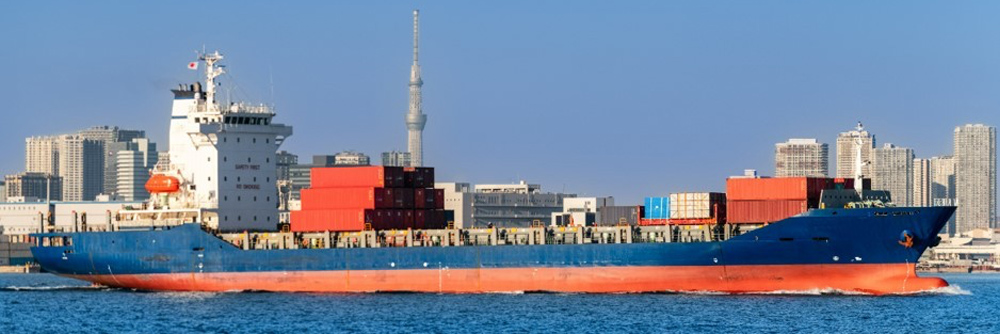
Domestic transportation of imported goods (NX Direct Feeder)
Domestic transportation of imported goods (NX Direct Feeder)
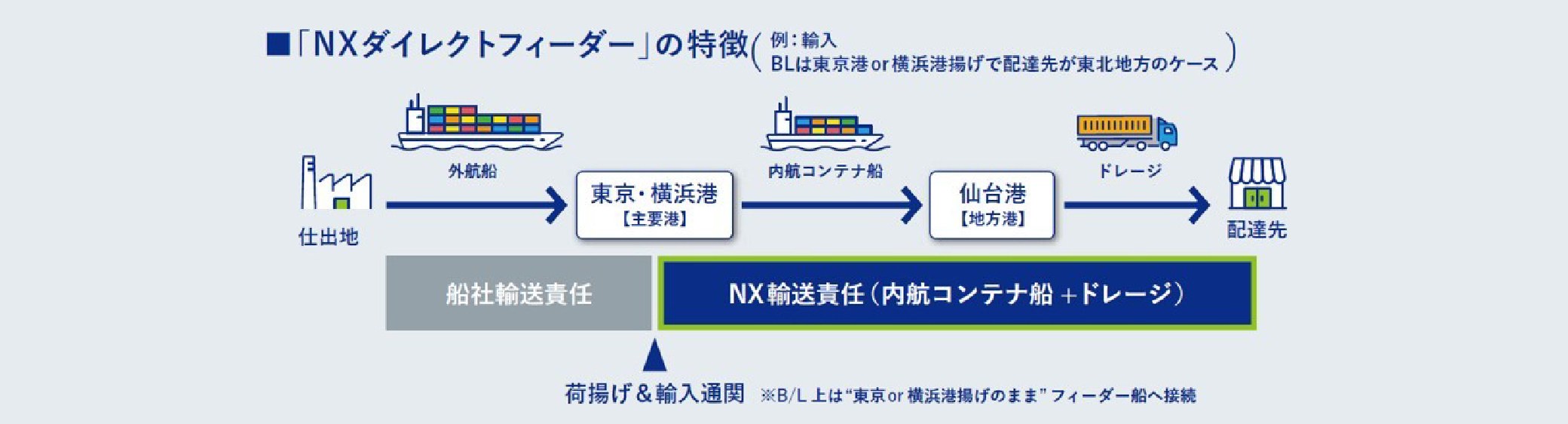
Features of the NX Direct Feeder
Service Flow
We provide comprehensive support from import customs clearance overseas to domestic ports, feeder transport, regional ports, and final delivery. By consolidating the point of contact for international and domestic transportation, we reduce the burden of procedures and management.
Implementation Examples
-
This is a comparison of the conventional route (land transport only) and this service (utilizing domestic feeder vessels) when transporting an international maritime container from Tokyo Port to Yamagata City via Sendai Port.
-
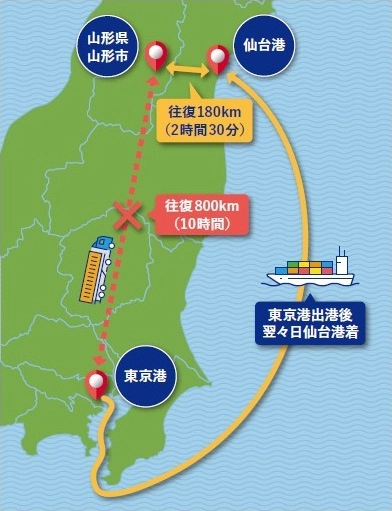
| item | Conventional route (Tokyo Port → Yamagata City: Land transport) | This service (Tokyo Port → Sendai Port by sea → Yamagata City by land transport) |
|---|---|---|
| Land transport distance | Approximately 790 km | Approximately 170 km |
| CO₂ emissions (per container) | Approximately 1.13 tons | Approximately 0.36 tons |
| Driver's working hours | Long duration (high burden on the driver) | shortening |
*CO₂ reductions are calculated using the Well-to-Wheel value from the NX Green Calculator. The reduction values are based on the figures published on v-site/111. The figures for the conventional route are reference values calculated backward from the reduction values.
Related Services
-
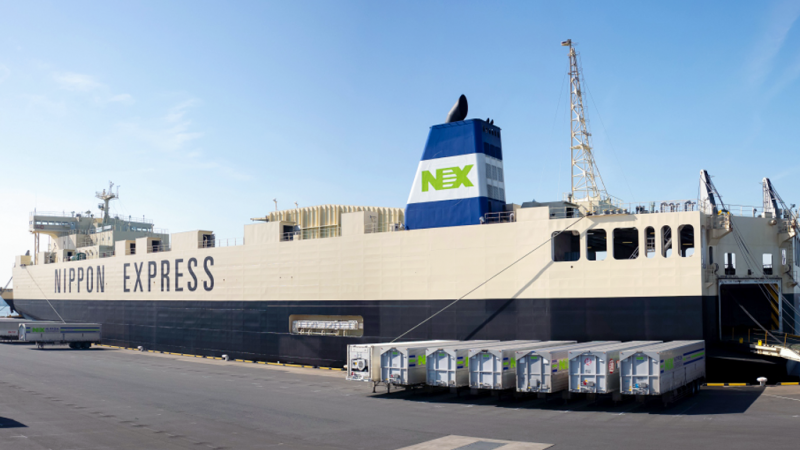
Company-owned vessel operation (regular routes)
Operating regularly from Tokyo, it serves three routes to Hokkaido, Kyushu, the Seto Inland Sea, and Okinawa, functioning as a major artery for trunk transportation. -
International Ocean Freight
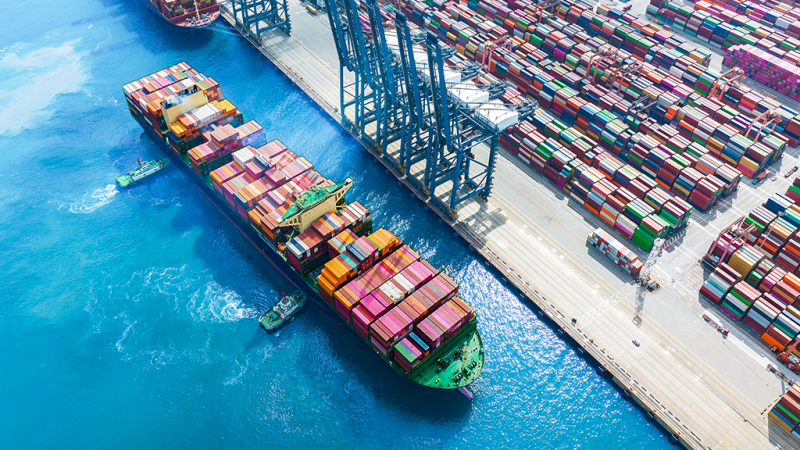
International maritime transport between overseas locations and Japan. We handle a variety of cargo types, including FCL, LCL, and RORO vessels. -
NX Truck & Sea
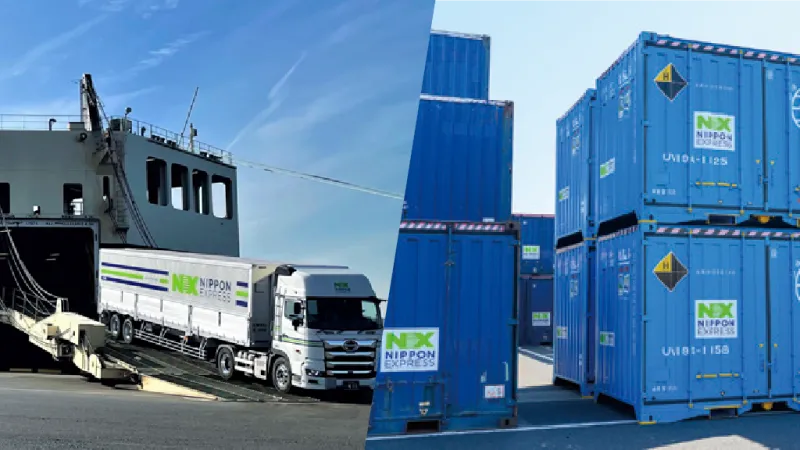
A trunk line transportation solution that integrates truck collection and sea transport. It also helps address the driver shortage.