Apparel Inventory Management: Case Studies for Retail and E-Commerce

This product is recommended for customers interested in the following keywords.

  • #Apparel
  • #warehouse
  • #LogisticsCenter
  • #Inventory management
  • #Tokyo suburbs
  • #CaseStudy
  • #EC

Apparel has inventory management requirements that differ from those of products such as home furnishings and general merchandise.

Nippon Express draws on its experience handling apparel for many customers and its proprietary information management systems to provide fast, accurate logistics services from receipt and storage through to shipping.

Here, we present two types of apparel logistics solutions: one for "retail stores and wholesalers," and the other for "e-commerce."

What are the characteristics of inventory management for apparel products?

Apparel products are items that are heavily influenced by seasonal changes. In Japan in particular, the products sold differ depending on the season—spring, summer, autumn, and winter—resulting in frequent product turnover. Not only do the main item categories change with each season, but the size and volume of products such as T-shirts, sweaters, polo shirts, and coats also vary considerably.

Therefore, if you don't keep track of your inventory and manage it properly, you'll lose track of where and how much of the product you're looking for is stored.

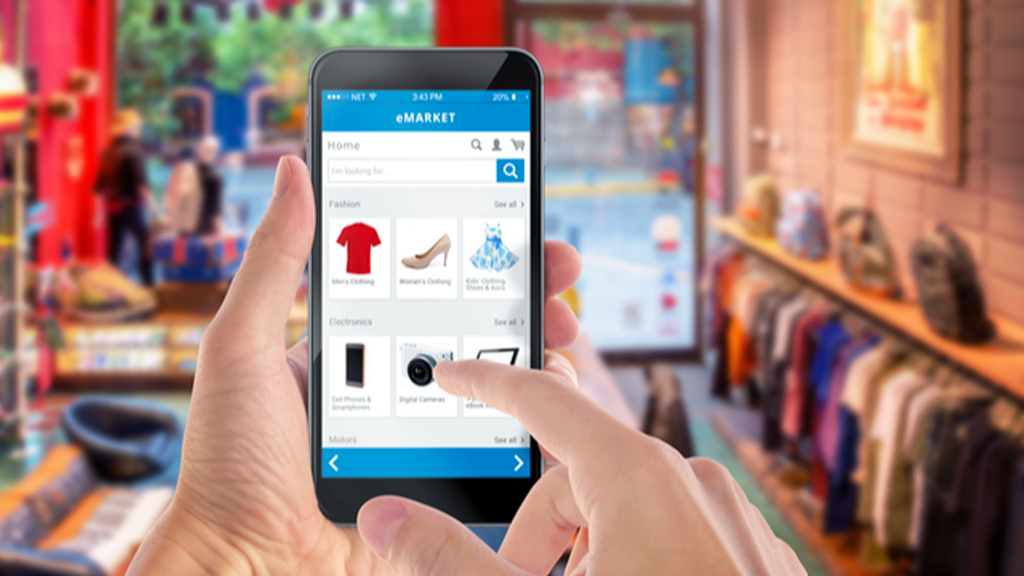
Furthermore, while apparel sales were primarily conducted through brick-and-mortar stores until about 10 years ago, e-commerce sales have increased significantly in recent years. Because there are differences between brick-and-mortar and e-commerce sales in terms of shipping volume and the process from order to delivery, it is necessary to respond appropriately to each situation.

For these reasons, apparel products are said to be one of the categories where efficient storage and inventory management are relatively difficult.

Given the characteristics of apparel products described above, how does Nippon Express's logistics center manage inventory and provide solutions to address customer challenges?

Let's look at examples for two types of businesses: those for retail stores and wholesalers, and those for e-commerce.

Examples of logistics centers for apparel stores and wholesalers

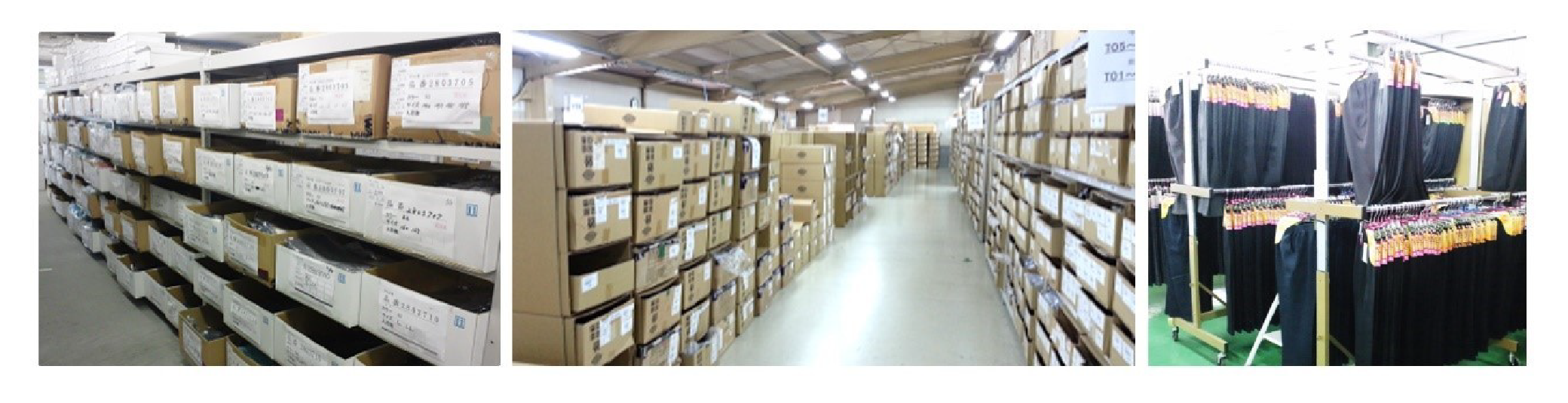
For customers shipping to apparel stores and wholesalers, significant inventory changes occur seasonally. Furthermore, these changes must be handled quickly to avoid missing sales opportunities due to seasonal shifts. Additionally, large quantities are often shipped at once to recipients, requiring accurate daily inventory management, including tracking stock quantities for each SKU, taking into account variations in color and size.

1920-01

However, for some items, product information data is not properly maintained, or differences in size and color are unclear, which often makes accurate inventory management difficult and complicates shipping operations.

Here are two specific measures we took to address these challenges.

Part 1: Managing products with a proprietary information system

Nippon Express has implemented an information system that allows for the management of goods using dedicated barcode labels. Therefore, they organize information independently to ensure reliable management of incoming goods and speedy shipment.

In one particular case, the customer handled a large number of items that were difficult to distinguish by appearance alone, such as different sizes, or items that came in many variations due to color differences. As a result, there was a risk of selecting the wrong item and shipping it out if the product was retrieved from the storage shelves by visual inspection alone.

To address this challenge, we implemented a system to independently manage each individual product, while also utilizing specialized equipment in operations to ensure error-free work. Furthermore, by changing the storage layout based on product history data, we improved the system to prevent errors from occurring in the first place.

These measures not only improve management accuracy but also increase operational efficiency, allowing tasks to be completed in less time.

1920-02

Part 2: Addressing safety concerns such as meter reading and plastic waste checks.

Since many apparel products come into direct contact with the skin, it is necessary not only to improve the accuracy of inventory management and speed up operations, but also to ensure safety during storage.

Especially for customers handling children's clothing and infant items, meticulous attention to detail is required, so we prioritize safety and conduct thorough checks for needle detection and foreign object contamination. By making product safety a standard part of our operations, in addition to pursuing efficiency, we provide a value-added logistics center system for apparel products.

Examples of logistics centers for apparel stores and wholesalers

For clients operating e-commerce apparel websites, shipping small quantities of goods to individual buyers requires different shipping methods than for retail stores or wholesalers, such as carton packaging and individual inclusion of invoices. Furthermore, order volume fluctuates depending on the day of the week and promotions, requiring flexible, speedy, and error-free handling.

1920-03

Furthermore, in the case of e-commerce, where customers cannot see and try on actual products, appealing to site visitors with an image of how the product looks when worn, and responding to detailed requests as in a physical store, are becoming important factors in increasing e-commerce sales.

To address these challenges unique to e-commerce, I would like to introduce two case studies of how Nippon Express's logistics centers are handling them.

Our proprietary information system prioritizes speed and accuracy.

In one client's case, in addition to having a large number of items to handle and a high volume of orders per day, they requested that we shorten the time between the order deadline and shipment on their e-commerce site.

In this case, both accuracy and speed are required: selecting the correct items from among the many items stored in the logistics center, quickly placing them in cartons, and handing them over to the delivery company.

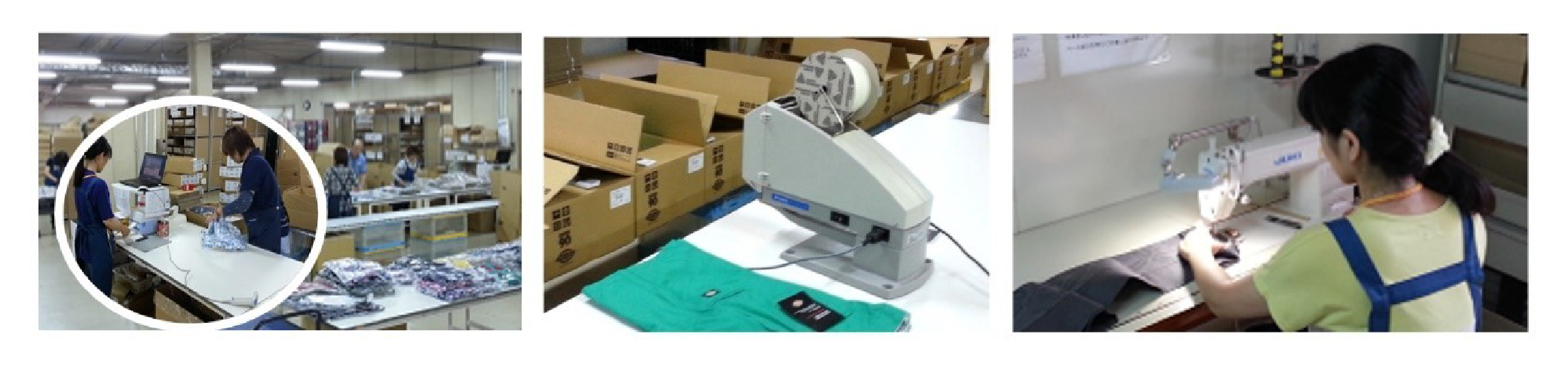
Therefore, we built an information system for apparel e-commerce and linked it with customer order information to ensure that order data is correctly shared with the logistics center. In addition, we implemented efficient operation using dedicated equipment to ensure that each step of the shipping operation process is performed correctly and quickly.

In e-commerce shipping, whether the correct items are properly packaged and delivered to the customer can significantly impact their overall satisfaction with the site. Therefore, our information systems incorporate our accumulated experience and know-how, while also being designed to ensure accurate and speedy operations based on customer feedback.

We also offer services such as photography and hemming.

1920-04

For e-commerce sites that sell apparel, photos showing how the clothes look when worn are an important element in increasing purchase intent.

In one client's case, they wanted to take photos of their products immediately after they arrived and post them on their website without any time lag. Therefore, we provided support by setting up a dedicated photo studio within their logistics center, enabling them to photograph the products on-site.

Recently, some apparel e-commerce sites have also started offering services unique to their platform, such as hemming orders. In these cases, they have dedicated staff within their logistics centers who handle each shipping order individually, enabling them to ship orders without incurring unnecessary delays or costs.

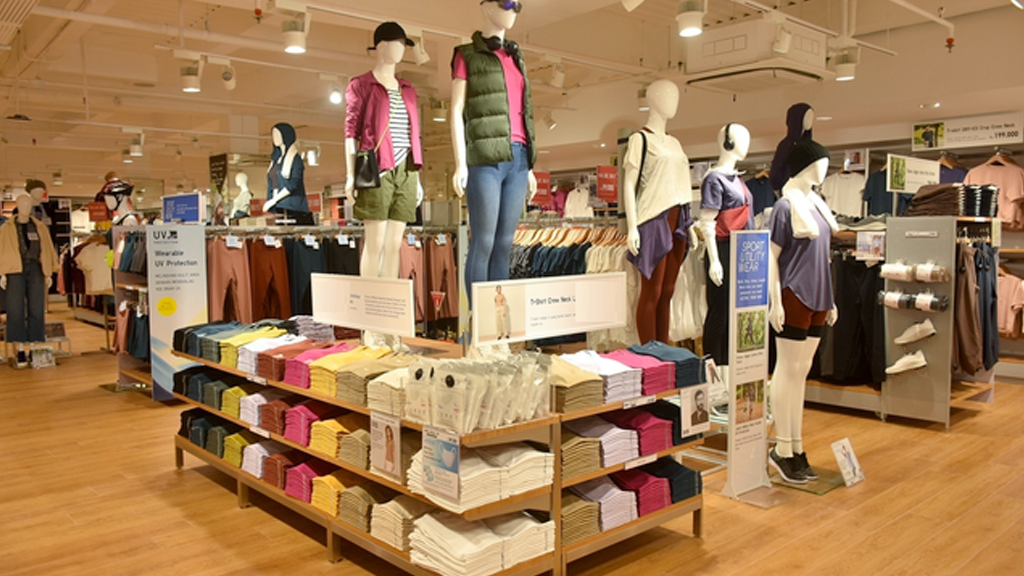
Warehouses/logistics centers in Tokyo and the surrounding Kanto region that handle apparel products.

As illustrated in the examples presented here, inventory management operations for apparel are implemented at various logistics centers of Nippon Express.

ECアパレル物流の在庫管理事例

Within our logistics centers, we have pre-installed air conditioning systems that can minimize significant temperature fluctuations, and we employ a large number of experienced staff. However, there are no particular initial costs associated with these measures. Furthermore, we have received positive feedback regarding our low running costs, including rent and labor expenses.

Please contact us for more details.

Listed organization name

Nippon Express Co., Ltd. Logistics Business Unit Tokyo Branch