Establishing a Stable Transportation Route Through an Intermodal Transport Scheme
Responding to volatile international logistics by flexibly combining multiple transport modes.

Customer:Apparel Manufacturer
Challenge (Before)
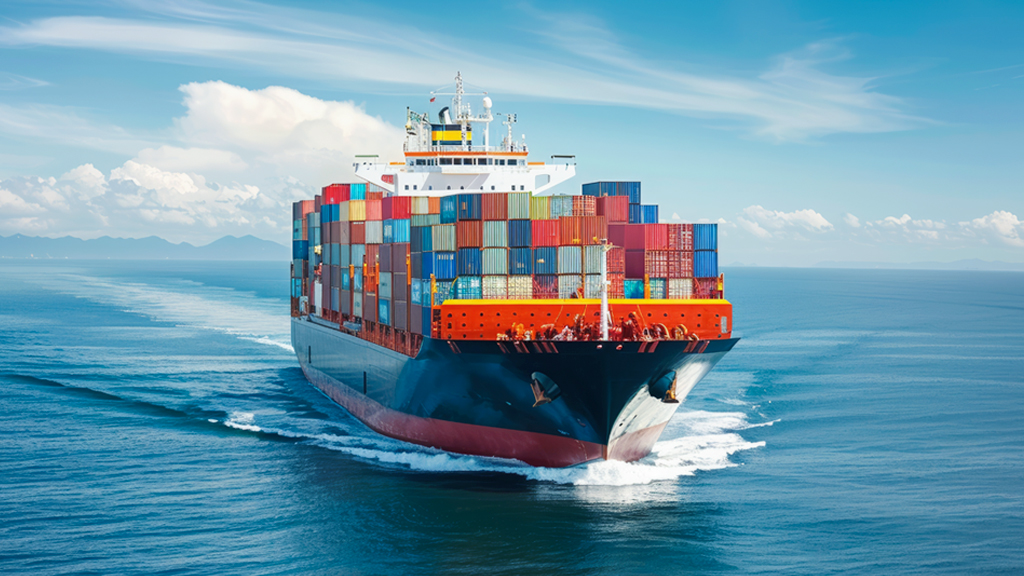
In ocean freight transportation from Asia to Europe, changes in the international environment rendered conventional shipping routes unusable, forcing a shift to alternative routes. However, these alternatives were affected by port congestion and adverse weather conditions, resulting in unstable schedules and prolonged lead times.
At the same time, a complete switch to air freight would have led to a significant increase in transportation costs, while rail transport was difficult to utilize as a viable alternative due to regulatory constraints and limited capacity. There was a strong need for a realistic transportation solution that could ensure stable lead times while keeping costs under control.
Solutions
NX Solution
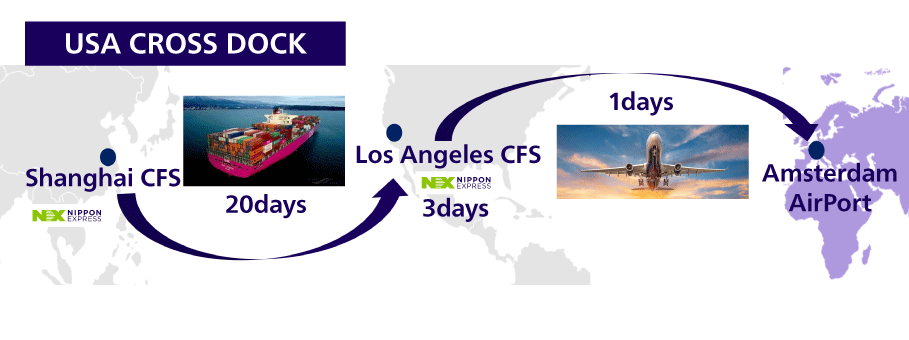
- As a freight forwarder, NX designed an intermodal transport scheme that balances cost efficiency and lead time by leveraging the advantages of ocean freight and air freight.
- By utilizing consolidation services and transshipment hub functions, NX ensured both capacity availability and transportation quality, while managing the entire transport process—including transshipment—on an end-to-end basis.
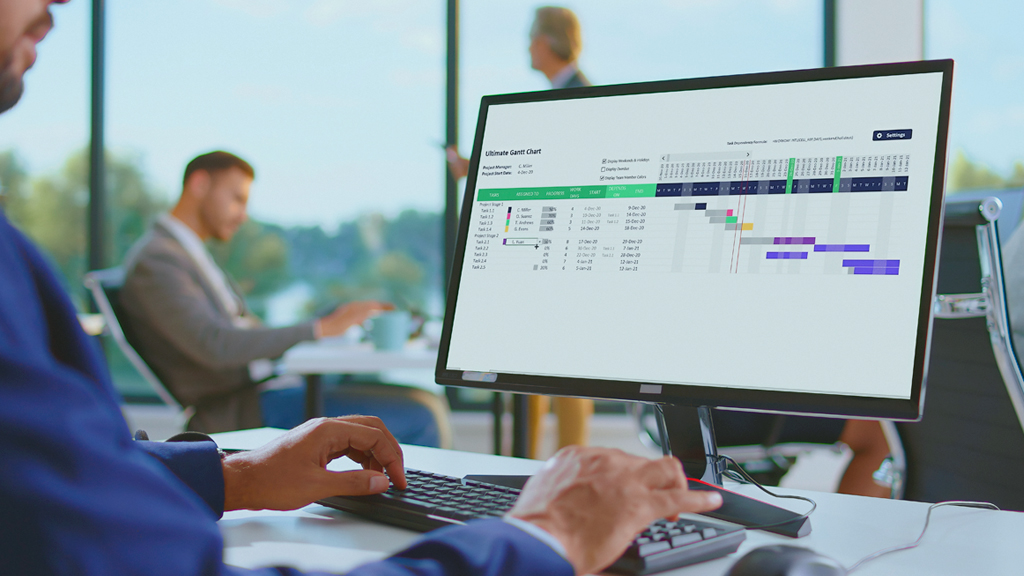
- NX established an operational framework that visualizes shipment status and enables flexible adjustments to transportation plans in response to progress updates and changing conditions.
Benefits
Benefits (Results)
By adopting an intermodal transport solution that flexibly combines multiple transportation modes, NX minimized the impact of changes in international conditions and transportation environments, achieving a stable and reliable lead time.
Compared to an air-only transportation model, this approach significantly reduced cost burdens, while also providing superior lead-time performance compared to alternative ocean routes. The solution has been highly evaluated as a practical business continuity planning (BCP) measure, enabling flexible responses to fluctuating transportation conditions.