Turning Waste into Value through Reverse Logistics
Efficient collection and sorting of used office automation (OA) equipment and packaging materials to achieve both environmental impact reduction and cost optimization.
Customer:Office Automation Equipment Trading Company (Japan)
Challenge (Before)
The customer managed the collection, sorting, reuse, and disposal of used OA equipment and packaging materials individually at each site. As a result, post-collection sorting and recycling processes required significant time and labor, leading to operational inefficiencies.
In addition, specialized handling was required, including the secure processing of hard disk drives containing confidential data and the proper classification of recyclable valuables and industrial waste by item category.
There was a clear need to establish an integrated operational framework that could manage the entire process—from collection and secure handling to recycling—under a unified system.
Solutions
NX Solution
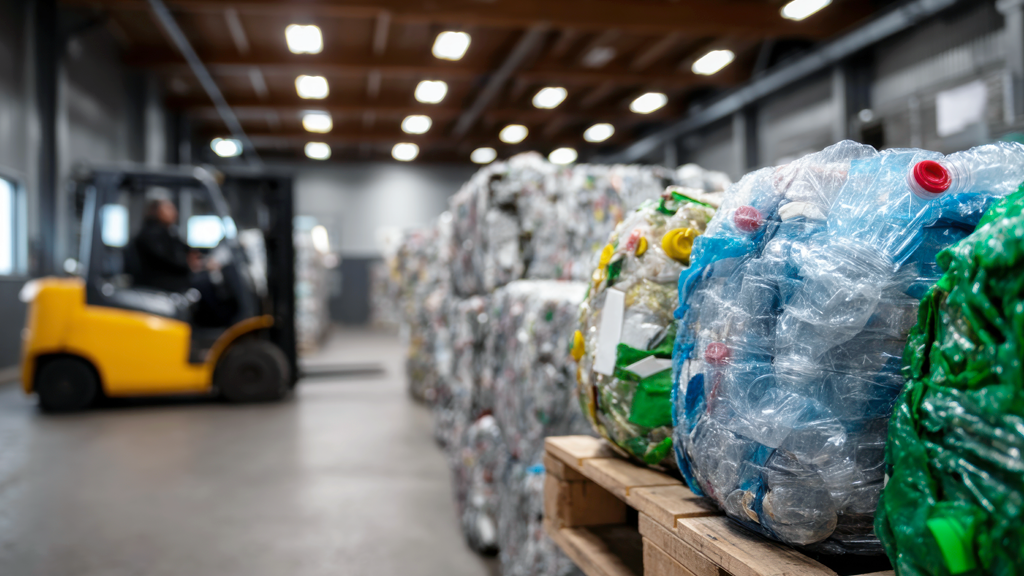
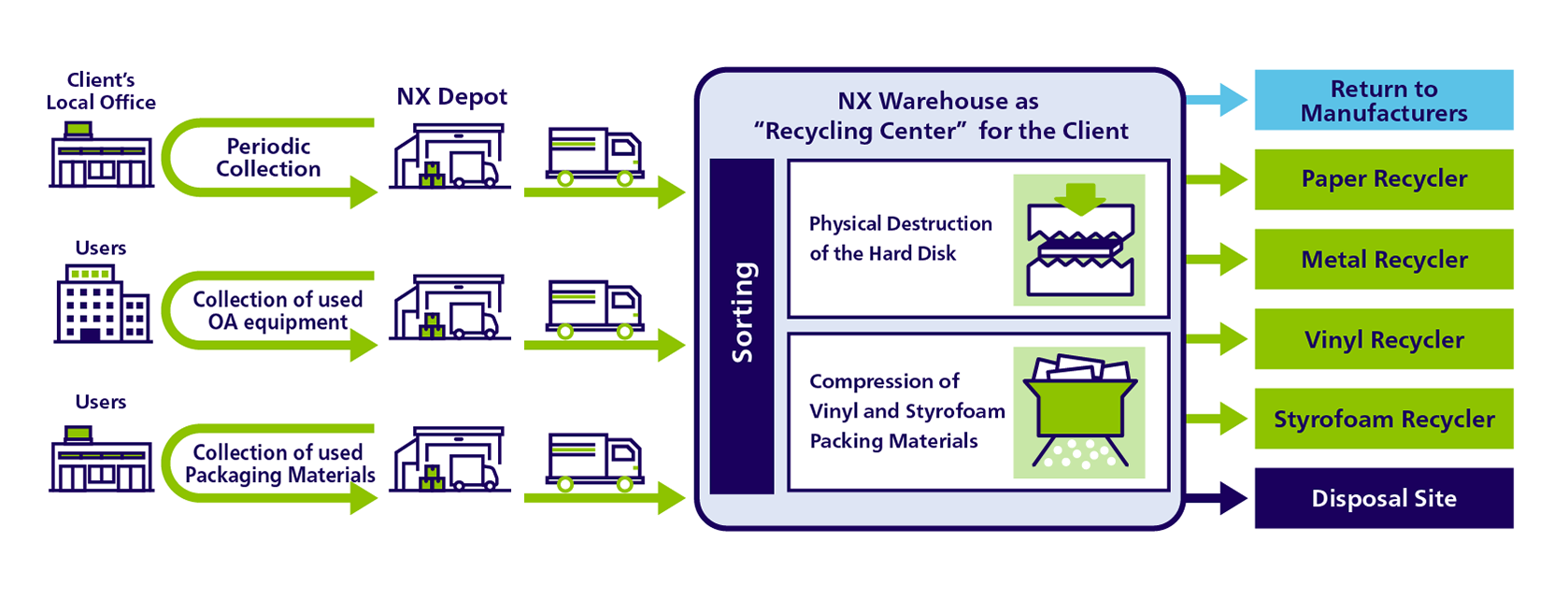
- Utilized an NX logistics facility as the customer’s dedicated “Recycling Center,” centrally managing sorting, weighing, and temporary storage of collected items.
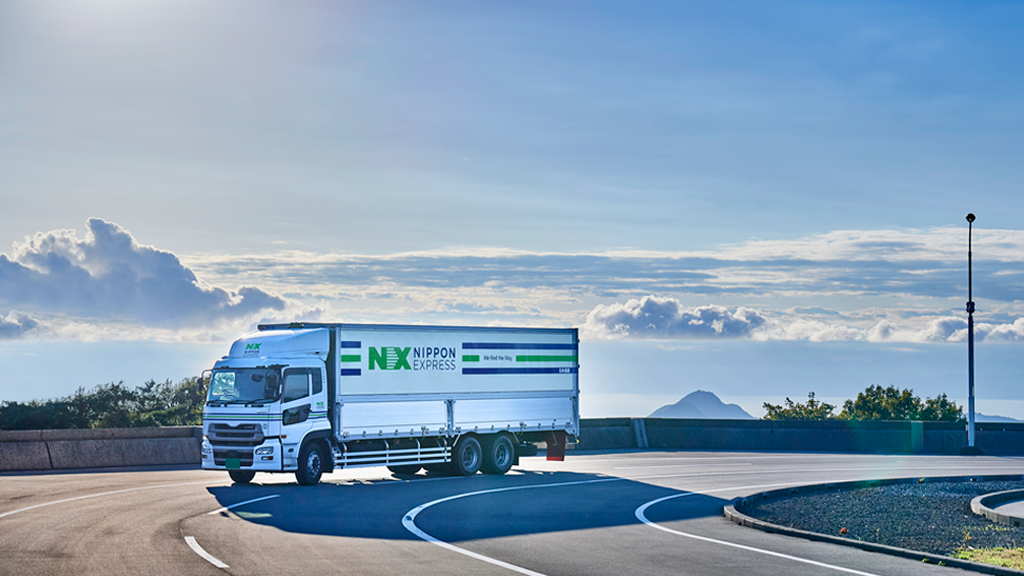
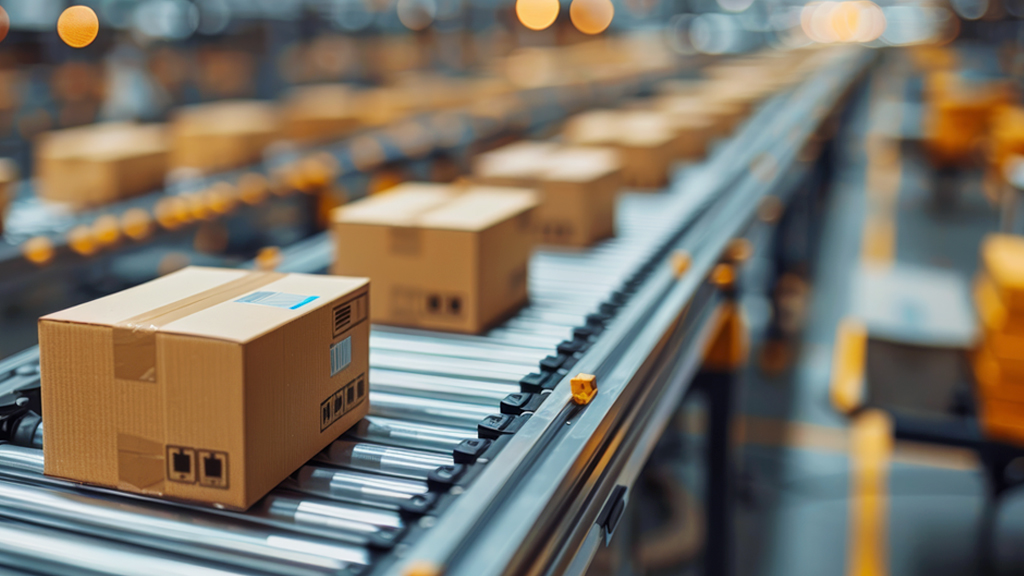
- Established a regular collection scheme from each user site, consolidating used OA equipment and packaging materials at the Recycling Center.
- Sorted and weighed collected items into multiple categories, properly distinguishing recyclable valuables from waste materials.
- Provided value-added services tailored to each item category, including physical destruction of hard disk drives and compression of recyclable materials.
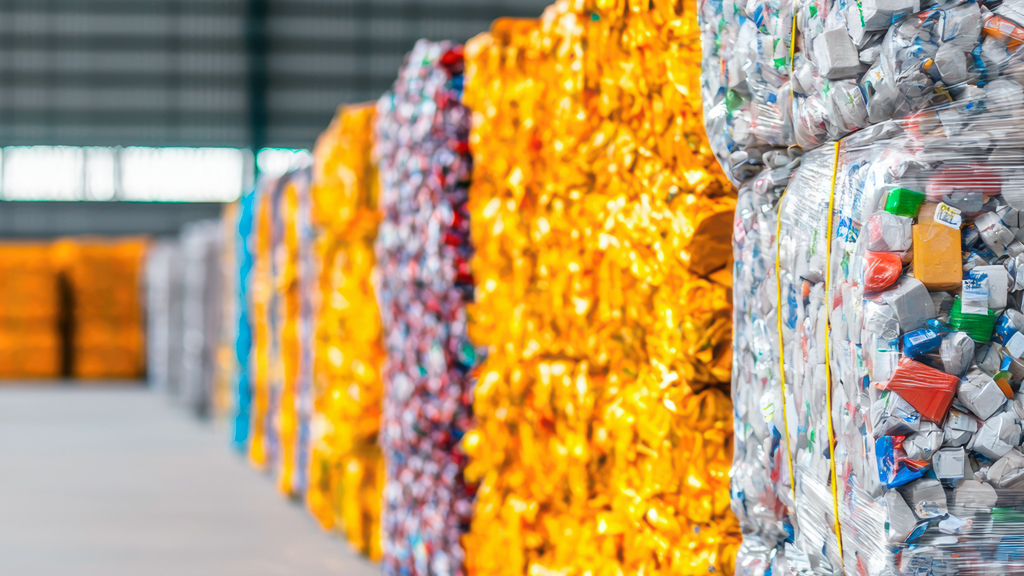
- After sorting, reusable equipment was returned to manufacturers, while recyclable valuables—such as wastepaper, metals, vinyl materials, and expanded polystyrene—were processed in collaboration with specialized partner companies to promote reuse and resource recycling.
Benefits
Benefits (Results)
NX established a regular collection route covering each user site and built an operational framework to properly classify recyclable valuables and waste at the Recycling Center.
Enhanced coordination with partner companies responsible for recycling processes enabled the customer to maximize the value of collected materials.
As a result of systematic sorting:
- Approximately 70% of collected materials were classified as recyclable valuables
- Approximately 30% were classified as industrial waste
Revenue generated from the sale of recyclable valuables exceeded the disposal costs of industrial waste.
This transformed waste management costs into revenue, successfully achieving both environmental impact reduction and cost savings.